Generative Engine Optimization: The Future of SEO in the Age of AI Search
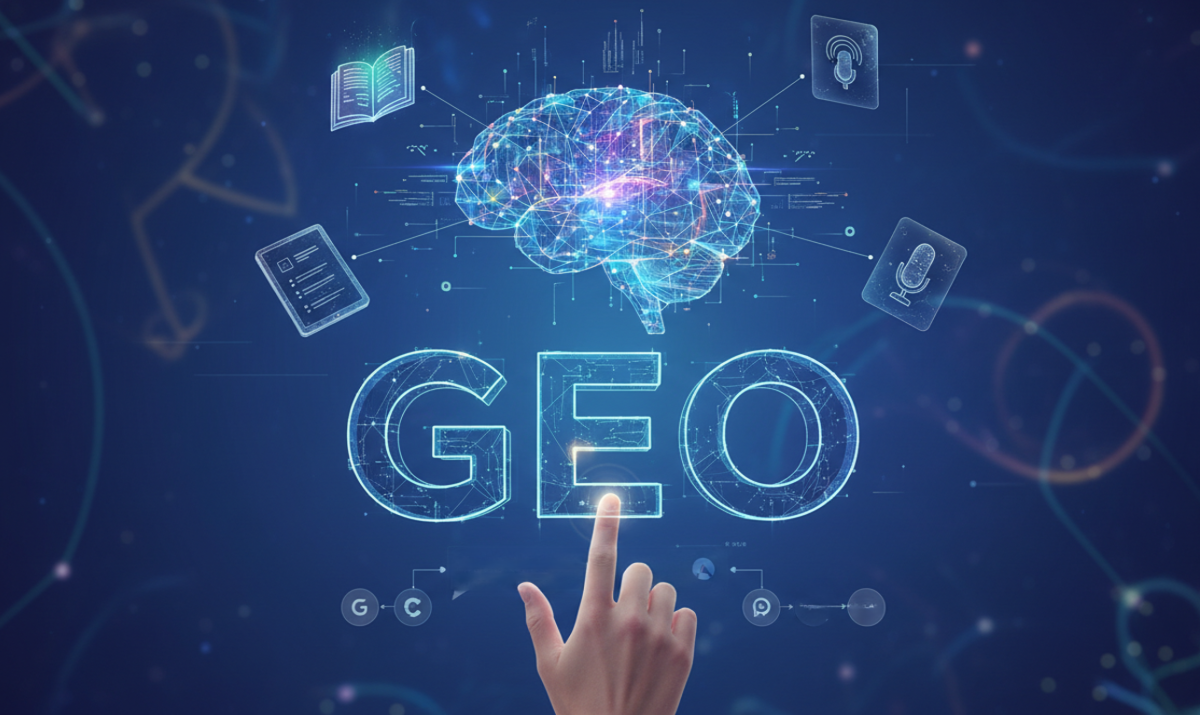
If you’ve noticed your usual Google search results being replaced by AI summaries lately, you’re not alone. From ChatGPT’s Search, Perplexity.ai, to Google’s Search Generative Experience (SGE), the way we find information online is changing fast. A new approach called Generative Engine Optimization (GEO) is beginning to reshape how online content gets discovered.
The rise of AI-driven search is reshaping how we think about visibility and content strategy. If you’re already exploring how AI boosts productivity, you’ll love our detailed guide on the Top 10 AI Tools for Productivity 2025
Instead of just focusing on Google rankings and keywords, GEO is about making sure your content shows up where people are actually searching today — inside AI chat platforms and generative search results.
Google’s official guide to AI features in Search
Let’s unpack what this shift really means.
What Exactly Is Generative Engine Optimization (GEO)?
Generative Engine Optimization, or GEO, is the natural next step in how we think about online visibility. For years, search engine optimization (SEO) helped websites climb higher on Google. But now, we’re entering a world where people don’t just search — they ask. And the answers often come from AI tools like ChatGPT, Gemini, or Claude, not a list of blue links.
GEO focuses on making sure those AI systems can easily understand, trust, and refer to your content when generating responses. It’s less about ranking at the top of a search results page and more about being included in the answers AI engines give to users.
Imagine when someone is asking ChatGPT:
“What are the best AI tools for productivity in 2025?”
If your article is well-optimized for GEO, there is a high chance the AI will reference your blog or summarize insights from it — putting you directly in front of the reader without them even searching on Google.
That’s the power of GEO.
As generative AI becomes more influential in shaping online interactions, it’s also transforming cybersecurity. Learn how businesses are using AI to detect and prevent digital scams in our post on Generative AI Fraud Detection
Why Traditional SEO Is No Longer Enough
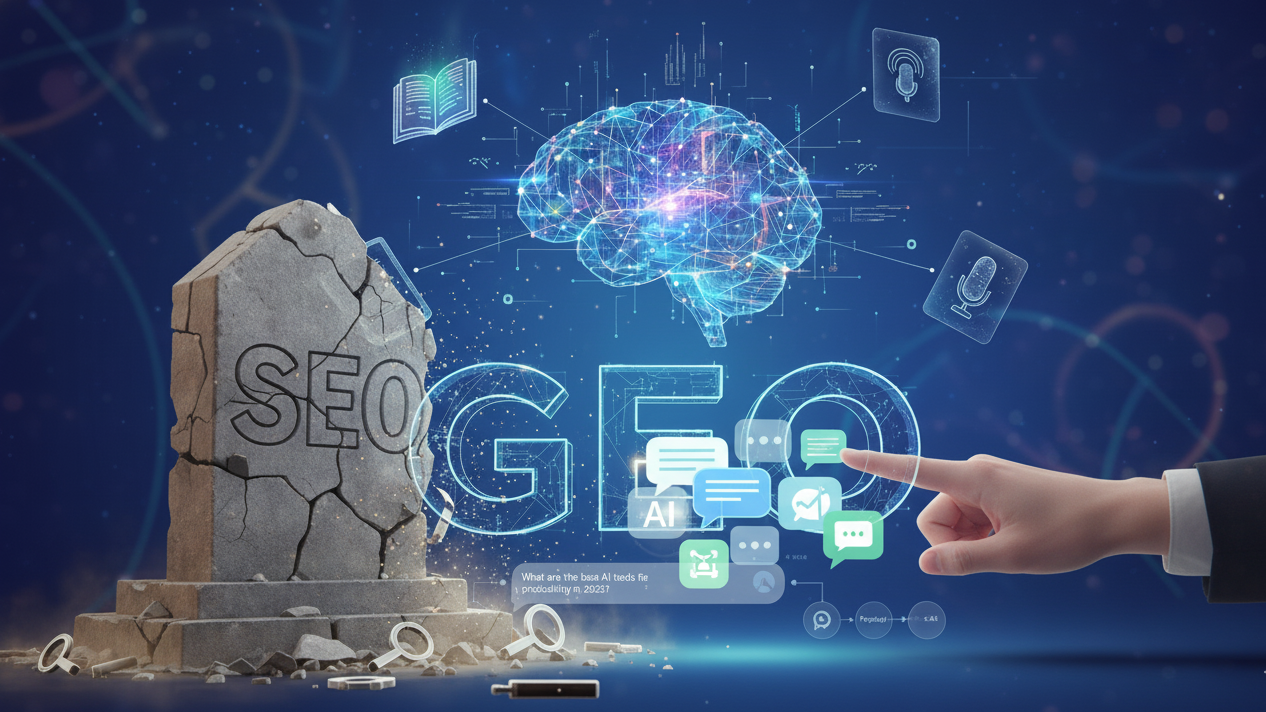
For a long time, SEO was the gold standard for getting noticed online — you’d fine-tune your keywords, chase backlinks, and fight for a spot on Google’s front page. But nowadays, search is not just about clicking on some random links; it’s about getting direct, conversational answers.
AI-driven search engines don’t show a list of websites. Instead, they generate summaries that combine information from multiple sources. That means even if your site is packed with great content, it might not appear unless AI systems understand and trust it.
Let’s be honest — it’s not about gaming algorithms anymore; it’s about training AI models to “see” your content as credible and contextually valuable.
How Generative Engines Work (and Why It Matters)
Generative engines — like ChatGPT, Gemini, or Perplexity — don’t crawl the web the same way Google does. Instead, they:
- Ingest structured and unstructured data from indexed web pages.
- Understand content meaning using natural language processing (NLP).
- Generate conversational answers, sometimes citing sources (like Perplexity.ai or Bing Chat).
So, when you ask, “How to improve SEO for AI chatbots?” — these engines scan their databases for content that’s clear, credible, and factually aligned, then summarize it.
If your blog lacks structure, uses unclear language, or has outdated data — AI might skip it. That’s why GEO focuses on content clarity, authority, and contextual structure, not just keyword density.
GEO vs SEO: What’s the Difference?
| Aspect | Traditional SEO | Generative Engine Optimization (GEO) |
|---|---|---|
| Focus | Keywords, backlinks, and ranking | Clarity, credibility, and AI readability |
| Audience | Human searchers | AI systems and generative models |
| Output | Website ranking on Google | AI-generated answers citing your content |
| Goal | Drive clicks | Drive citations and visibility within AI responses |
| Optimization Tools | Google Search Console, Ahrefs, SEMrush | AI content evaluators, schema markup, GEO-friendly structuring |
Put simply, SEO helps people find you, while GEO helps you get featured — right inside the answers that AI systems generate.
How to Optimize for Generative Engines
Now that you know what GEO is, let’s look at how you can actually implement it.
1. Write Clear, Factual, and Well-Structured Content
AI tools prioritize accuracy. If your article is vague or repetitive, generative engines may skip it.
Use:
- Short paragraphs (2–4 lines)
- Clear headings
- Lists and bullet points for easy scanning
2. Include Q&A and Conversational Sections
Since generative engines mimic human conversation, include question-based subheadings.
Example:
- “What is Generative Engine Optimization?”
- “How does GEO differ from SEO?”
- “Why does GEO matter for content creators?”
This mirrors how people actually ask AI questions, increasing your chance of being included in answers.
3. Add Schema Markup and Metadata
Use structured data like FAQs, HowTo schema, and author details. This helps AI understand your content’s context — similar to how schema helps Google know what your article is about.
For example, if you write about “AI tools,” include product schema or software schema tags so AI knows you’re discussing real tools, not just theory.
4. Build Your Credibility as an Author
AI engines tend to trust content that comes from real people with real expertise. Show your readers (and search engines) that there is a real person behind your content.
5. Keep Content Fresh and Factual
AI models are trained on data snapshots — but platforms like Perplexity and Bing Chat use live crawling. Updating your posts regularly with 2025 statistics, new research, and trending examples improves GEO performance.
For modern organizations embracing AI-driven tools, staying efficient and collaborative is key. Discover how technology like Board Portal Software is helping businesses operate smarter in the digital era.
Real-World Example: Perplexity.ai Citations
One great example of GEO in action is Perplexity.ai — a generative search engine that provides real-time sources. When you ask, “What is the future of AI content marketing?”, it cites blogs and articles that are:
- Clearly structured
- Factually correct
- Authored by credible sources
If your post checks those boxes, it can appear as a cited reference — even if you’re not ranking #1 on Google. That’s the GEO advantage.
GEO for Bloggers, Marketers, and Businesses
Here’s how different groups can apply GEO:
For Bloggers
Focus on clear, engaging, and structured storytelling. Write like you’re explaining to a curious friend, not an algorithm.
For Marketers
Blend GEO with SEO. Use keyword tools for visibility but optimize the format and factual strength for AI search systems.
For Businesses
Update your product and service pages to be AI-readable. Add FAQs, feature highlights, and real user data — these are gold for generative engines.
The Future of GEO: Where It’s Headed
In 2025 and beyond, Generative Engine Optimization will become as important as SEO was a decade ago.
We’ll see:
- AI search tools citing blog posts more transparently.
- Platforms offering “GEO analytics” to show how often your content is used in AI summaries.
- Businesses hiring “GEO specialists” to ensure visibility in the AI ecosystem.
Just like SEO evolved from simple keywords to complex intent analysis, GEO will grow from visibility into credibility-driven optimization.
Key Takeaway: GEO Is About Writing for Humans, Optimized for AI
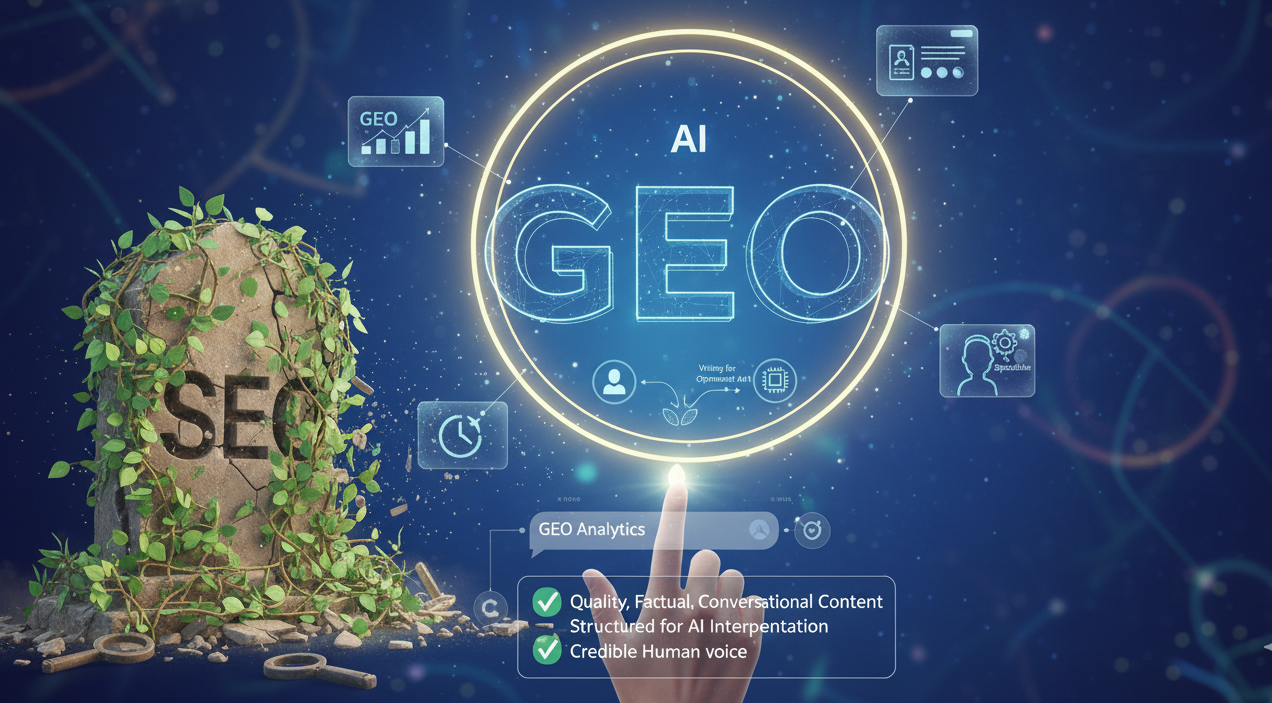
Let’s wrap this up simply — Generative Engine Optimization isn’t about gaming a new system. It’s about aligning your content with how people actually consume information through AI.
So instead of chasing algorithms, focus on:
✅ Writing high-quality, factual, conversational content
✅ Structuring it in a way AI engines can easily interpret
✅ Maintaining your credibility as a real, human voice
If SEO helped you get found on Google, GEO will help you get featured inside AI conversations — and that’s where the future of digital visibility truly lies.