The Real Problem: It’s Not Always the Hackers — It’s Us
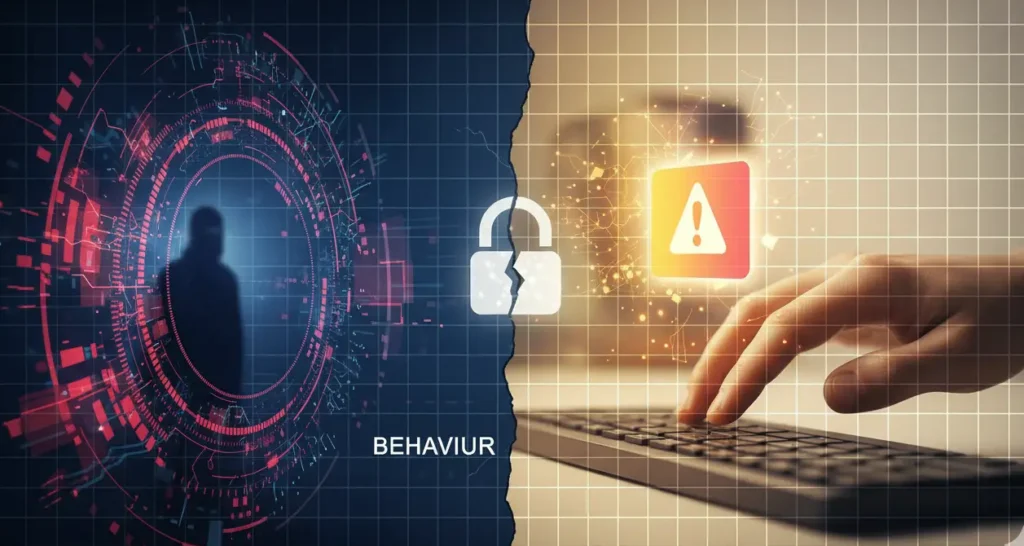
No matter how advanced cybersecurity gets, there’s one weak spot every hacker knows how to exploit — people.
You can have the strongest firewalls, the most expensive antivirus, and fancy AI tools… yet all it takes is one employee clicking on a fake email that says “Your account will be deactivated” — and boom. Instant breach.
That is the problem NINJIO is trying to fix by helping them understand why they fall for these tricks in the first place.
In today’s digital workplace, human error is behind over 90% of data breaches, according to global cybersecurity reports. From phishing scams to deepfake calls, attackers are no longer just targeting systems, they are targeting psychology. That’s why companies are realizing that protection doesn’t start with technology, it starts with people.
What Makes NINJIO Different? They Train the Human Mind
Most cybersecurity training feels like long, and boring videos that employees rush through just to tick a box.
NINJIO flipped that script. They built a system that feels more like Netflix meets neuroscience. Short, high-quality animated episodes — each one based on real attacks — and powered by data on how people actually behave online.
Their secret sauce? A mix of AI, behavioural science, and storytelling that digs into human psychology.
Instead of overloading employees with technical jargon, NINJIO turns complex threats into relatable stories. This approach makes cybersecurity personal — employees don’t just learn what phishing looks like, they feel why they might fall for it. This emotional connection is what drives real behavioral change.
AI + Behavioural Science: The Brain Behind the Training
At the core of NINJIO’s platform is something called a Risk Algorithm.
In simple terms, it’s AI that studies how people respond to simulated phishing attacks and builds a kind of emotional profile for each user.
Let’s say someone often reacts to urgent or fear-based messages like “Your password has expired” — NINJIO’s AI notices that pattern. Their next training will focus on recognising fear manipulation.
Or maybe another person always clicks links sent by “managers” or “HR” — their training will help them spot authority-based scams.
It’s smart, adaptive, and totally personalised — turning cybersecurity awareness into something that actually sticks.
The AI also adjusts based on company-wide data. If an entire department struggles with credential theft attempts, NINJIO automatically tailors upcoming episodes to address that pattern. This makes training dynamic and relevant — no generic lessons, just precise, data-driven protection.
Stories That Stay With You
Here’s what really sets NINJIO apart — their micro-episodes.
These aren’t your typical corporate videos. They’re short, cinematic stories based on real cyber incidents, with characters and emotions you actually connect with.
One episode might show how a deepfake video tricks an employee into transferring money. Other episodes might reveal how a social media post accidentally exposes company data.
By focusing on emotions, fear, curiosity, and empathy these stories do what can never be achieved by PowerPoint presentations — they make people care. And when people care, they remember.
Research in behavioural psychology shows that people retain up to 70% more information when learning through emotionally charged stories compared to plain instruction. NINJIO capitalises on this — making cybersecurity relatable, engaging, and easy to recall in real-life situations.
Training That Evolves as Threats Evolve
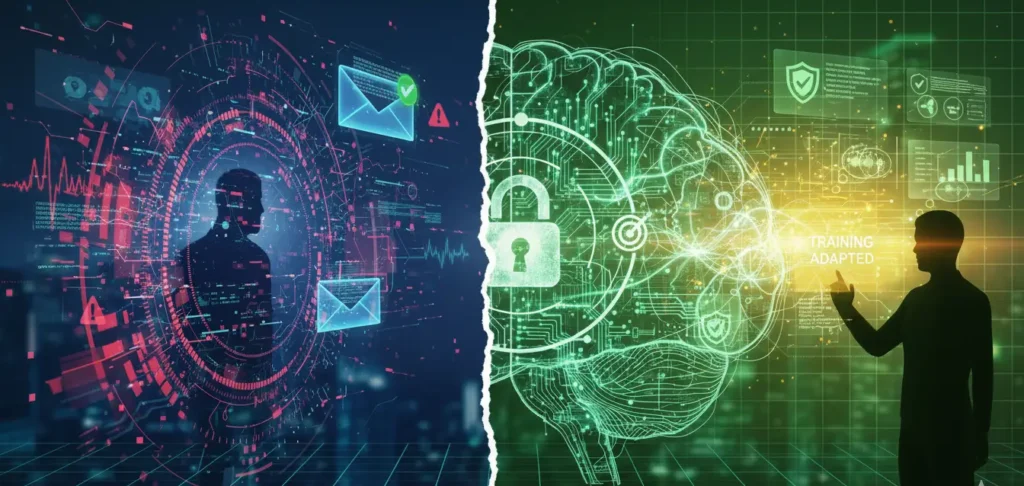
Cybercriminals don’t use the same tricks forever — and NINJIO knows that. Their AI constantly updates training based on emerging attack vectors.
That means if new scams pop up involving deepfakes, AI-generated phishing emails, or even voice-cloned CEOs, NINJIO’s system starts teaching employees how to spot them right away.
For industries like finance, trading, or blockchain, this isn’t optional — it’s survival. One wrong click in those sectors can mean millions lost in seconds.
This adaptive model also keeps employees ahead of regulatory requirements. As data protection laws evolve, organisations using NINJIO’s system can easily show compliance by proving employees are trained on the latest cyber threats — not outdated ones.
Why Businesses Need to Think Human-First
Let’s face it — you can’t secure your business if your people aren’t part of the defence.
AI tools are amazing, but they can’t stop an employee from uploading sensitive data to the wrong cloud app or clicking a convincing link.
By helping employees understand how they think and why they react, NINJIO gives businesses a major edge. It builds a security culture — not just a security policy.
Especially in the financial and tech world, this approach can:
- Cut down phishing-related losses
- Boost compliance with security frameworks
- Build trust with investors and clients
- And most importantly — reduce human error
It also improves company reputation. When clients see a business is taking steps to train their staff against modern cyber threats, it builds confidence. In this world, confidence is the key advantage which can build trust in companies.
The Next Chapter: Deepfakes, AI, and Emotional Intelligence
Here’s where it gets even more interesting.
NINJIO recently launched its “Stay AI Aware” campaign, focusing on deepfakes and AI-driven scams. We’ve reached a point where hackers don’t just fake emails — they fake faces and voices.
The next phase of cybersecurity isn’t just about recognising fake tech. It’s about recognising real emotions.
Soon, AI systems might predict which employees are most likely to fall for a scam — and train them before they make a mistake. That’s where the world is heading: AI that understands humans, to protect humans.
This shift also signals a merging of two critical fields, cybersecurity and emotional intelligence. As businesses are becoming more dependent on AI day by day, understanding human emotion will become just as important as understanding data. The future belongs to organisations that can focus on both the fields.
Final Thoughts: Turning People from Targets to Defenders
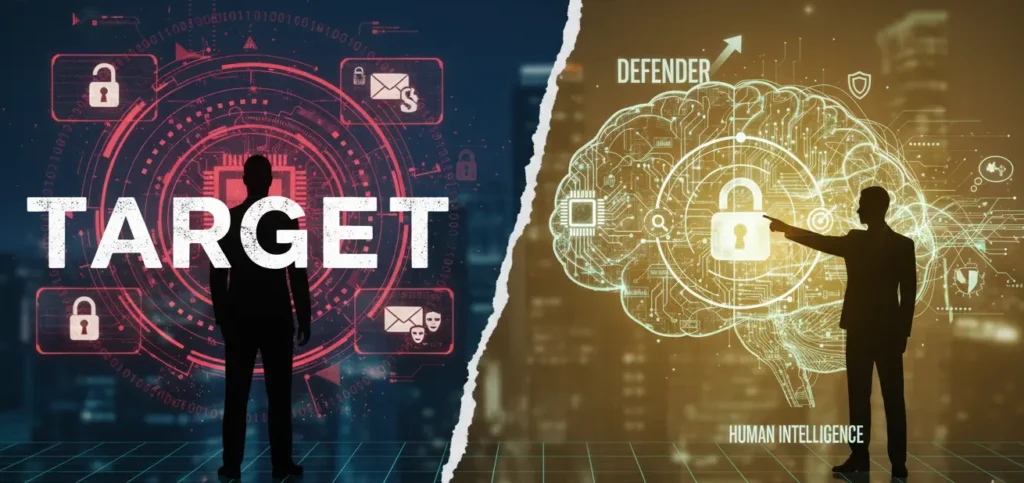
NINJIO’s blend of AI, behavioural science, and storytelling does something few cybersecurity tools can — it changes behaviour.
Instead of treating employees as the weakest link, it treats them as the first line of defence. And in a time when hackers use AI to exploit emotions, teaching people how to outthink those tactics might just be the smartest defence of all.
Because in the end, cybersecurity isn’t just about systems — it’s about people. And NINJIO is proving that when you train the human mind, you make the entire network stronger.
Invest in human intelligence — the one defence hackers can’t replicate. NINJIO shows that when technology meets psychology, security becomes not just stronger, but smarter.